
What is in our collection?
The Museum of Cambridge is an independent charity which opened in 1936. Our collections of over 40,000 objects tell the stories of the diverse individuals from Cambridge and Cambridgeshire.
Spanning from the last 300 years ago to today, the Museum’s collections tell the extraordinary stories of everyday people over the centuries. We work with local communities to collect objects and stories which the Museum tells through an assorted collection of social history. We are independent and not affiliated with the local authority, nor the University or colleges.
The Museum of Cambridge’s collections include a variety of objects, documents, photographs and paper works. Here are some of the key theme and distinct areas of the collections:
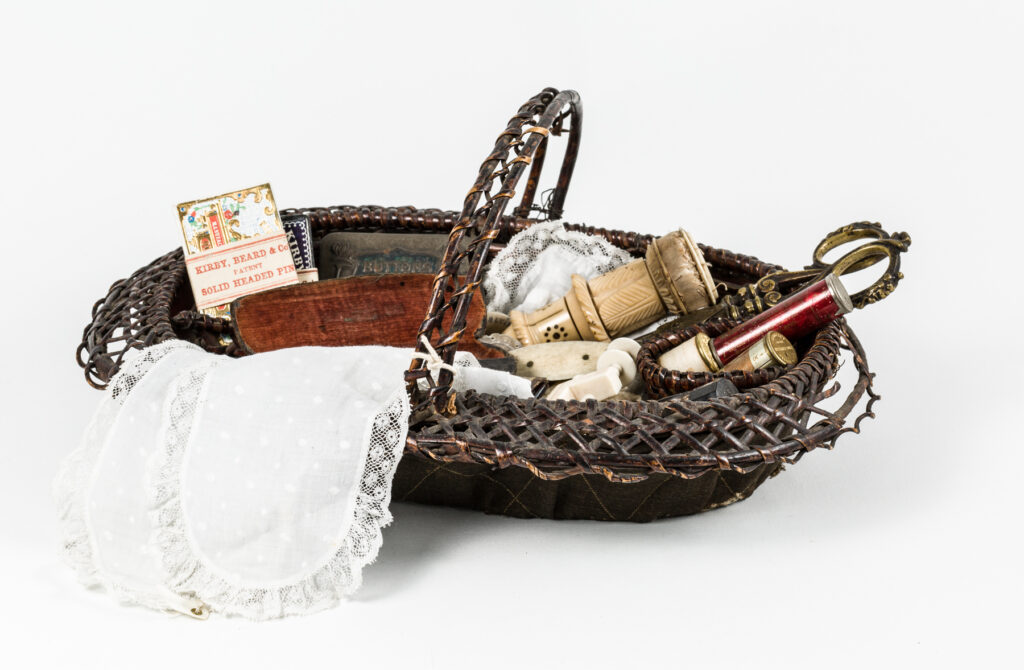
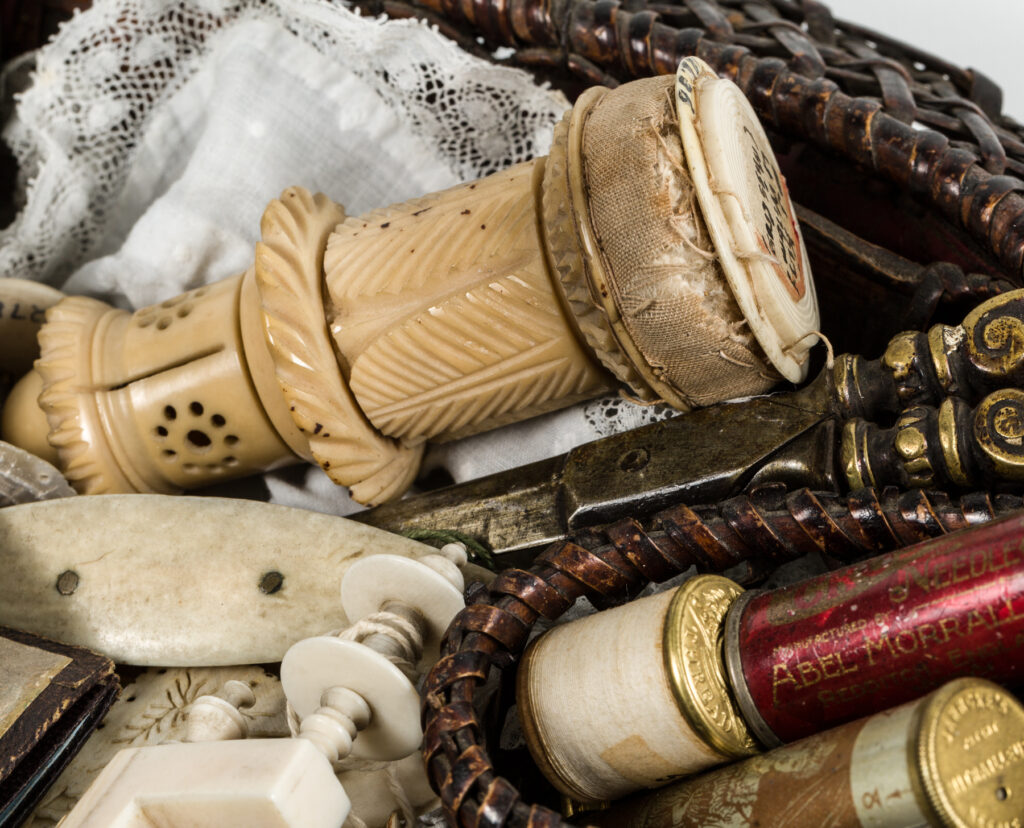
- Dress and Textiles – Samplers, quilts, needlepoint, embroidery, beadwork, costume, hats and clothing.
- Photographs – Capturing trades, family life, local buildings and streets, portraits, local festivals and events.
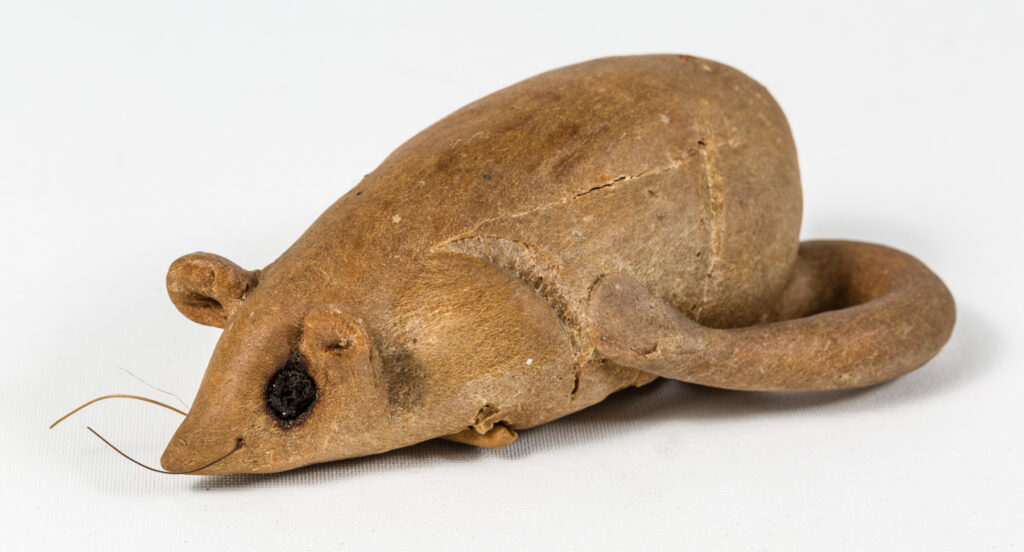
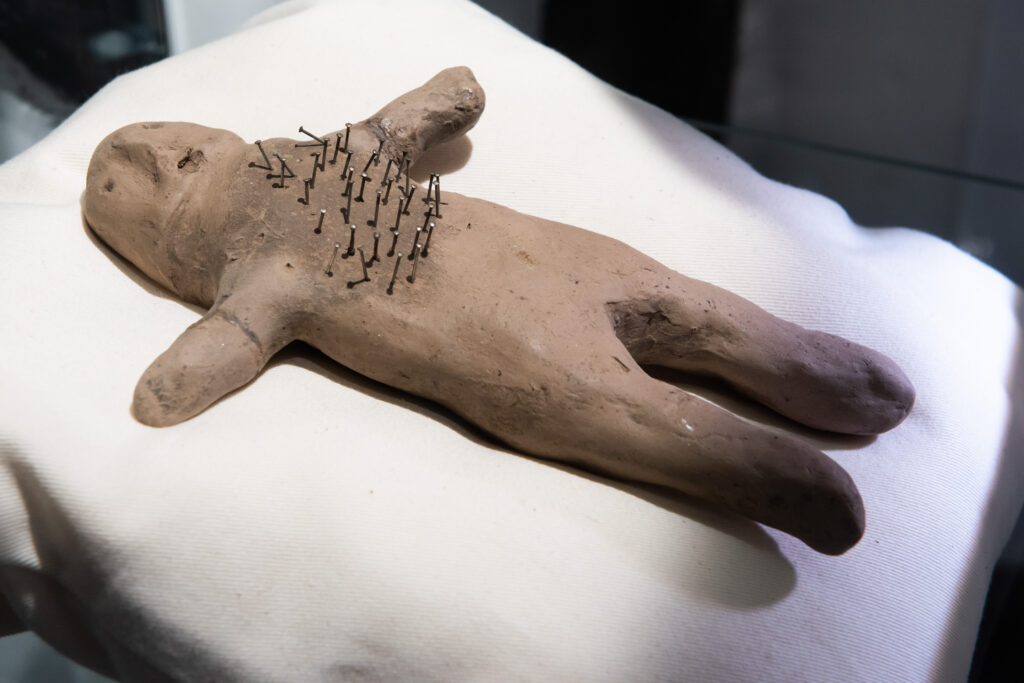
- Folklore – Regionally significant collections including witchcraft, folk customs, local celebrities and music.
- Trade and Industry – Including directories, receipts and documents from local businesses such as pubs, clerks, medicine, at-risk trades, workhouses and philanthropy.
- Community Life – Personal health, housing and household management, workhouses, welfare, war, university, 19th– and 20th – century schooling and teaching resources.
- The Fens – Tools, recreation, environmental change and agricultural equipment.
- Domestic Life – Household appliances, cooking utensils, crockery, porcelain, crafts and pastimes.
- Childhood – Toys, furniture, miniatures and models.
- Local Fine Art – Paintings, watercolour, pencil and prints including the works of Mary Greene, James Ward, Anthony Day and Richard Hopkins Leach.
Donating an object
We have limited space and resources and cannot accept everything that we are offered. We will only consider items that have come from or can be traced to people in Cambridgeshire. We will not accept objects which are duplicates of objects we already have, unless the duplicate fulfils a significant need. We are especially interested in collecting objects that fill gaps in the collections, specifically items from the late 20th century to the present day.
If you would like to offer an item for donation, please email enquiries@museumofcambridge.org.uk with the following details:
- Description of the object including its link to Cambridge/shire. This should include how you acquired it, details of the object and any links to places, people or stories.
- Photograph
- Dimensions
If the object is of interest, it will be taken to our Collections Committee who will make a final decision. This process may take some time while we liaise with members of the team and work through the large number of offers we respond to.
Unsolicited Donations
Please don’t bring your items into the museum or send object donations via post to the Museum without prior agreement. We will not accept any items left at the Museum or posted to us without prior contact.
If we are unable to contact you within eight weeks of the object(s) arrival, the object(s) will officially be deemed transferred to the Museum. This means they will be dealt with in accordance with the Museum’s Collections Policy which may include disposal.
If the Museum cannot accept an object(s) and the owner is contacted, the object(s) must be returned at the owner’s expense within the eight weeks as the Museum does not have sufficient funds to pay for returns.
Research Requests
The Museum of Cambridge is an independent charity with a small team of staff; we are not part of either the local authority or the University. If you have a research request, we will endeavour to offer a 15-minute free of charge baseline search on our collections database.
Beyond this, the Museum charges £25 per hour for research conducted by staff or volunteers. These offers are subject to staff and volunteer availability.
If you would like to get in touch with us, please contact: enquiries@museumofcambridge.org.uk