
Clever Cures, Curious Curatives
For small, isolated communities, inherited knowledge and an understanding of the natural world were vital. Before modern medicines such as vaccines and antibiotics were widely available, people made clever use of herbs, plants, and minerals to treat illness.
While towns such as Cambridge had doctors close by, people in surrounding villages might have to wait for a visiting doctor or rely on a local apothecary or ‘wise woman’. This was especially important when the Fens flooded or froze, cutting off communities from their neighbours.
Apart from a few wealthy exceptions, women were unable to formally study medicine or science until the late 19th and early 20th centuries. Yet women often worked as midwives, healers and apothecaries within their communities. Known as ‘wise women’, they passed knowledge down through generations, learning from their mothers and grandmothers and from their close understanding of the natural world.
Some traditional remedies had genuine health benefits, while others reflected the beliefs and superstitions of the time.
Object labels
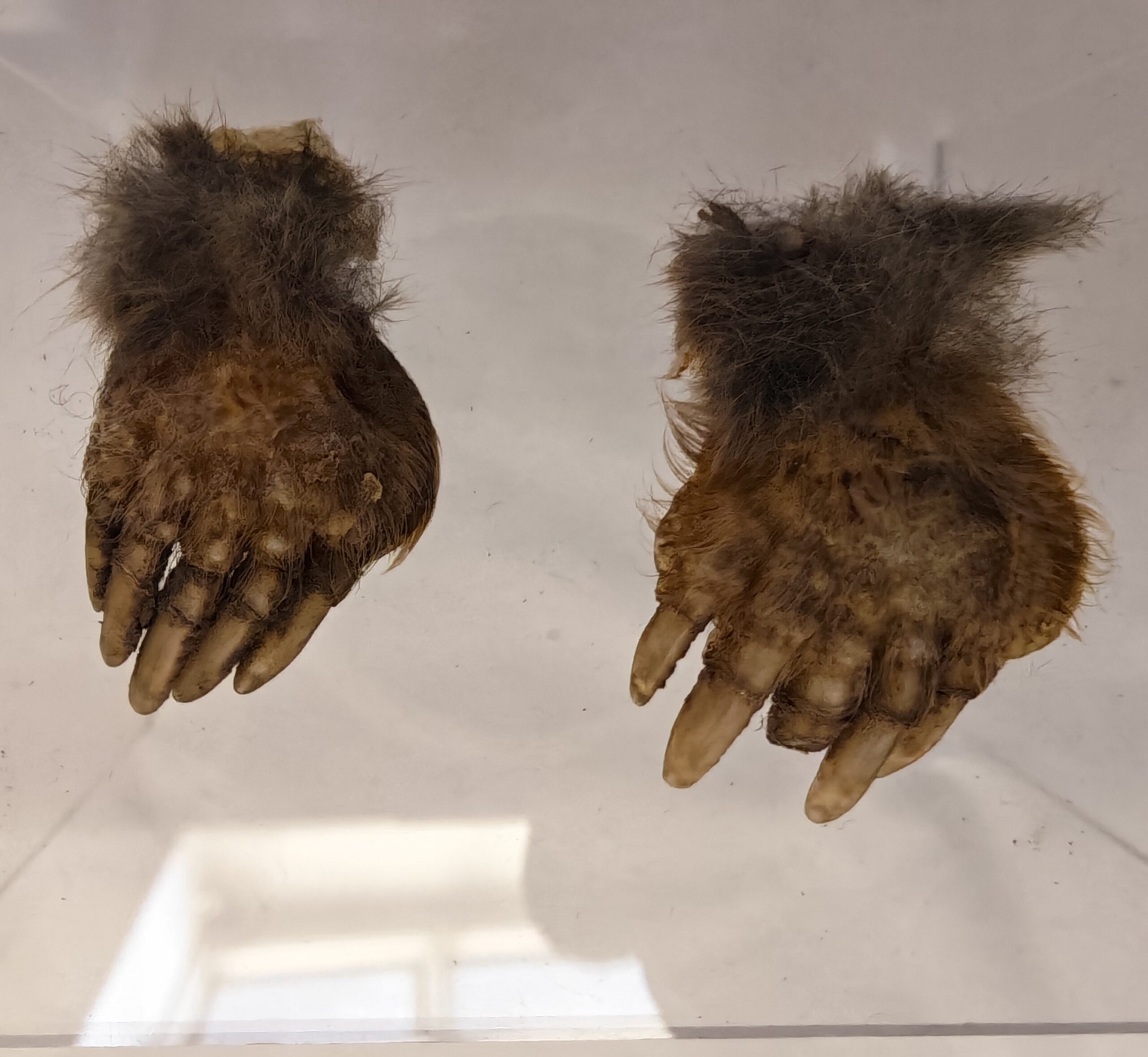
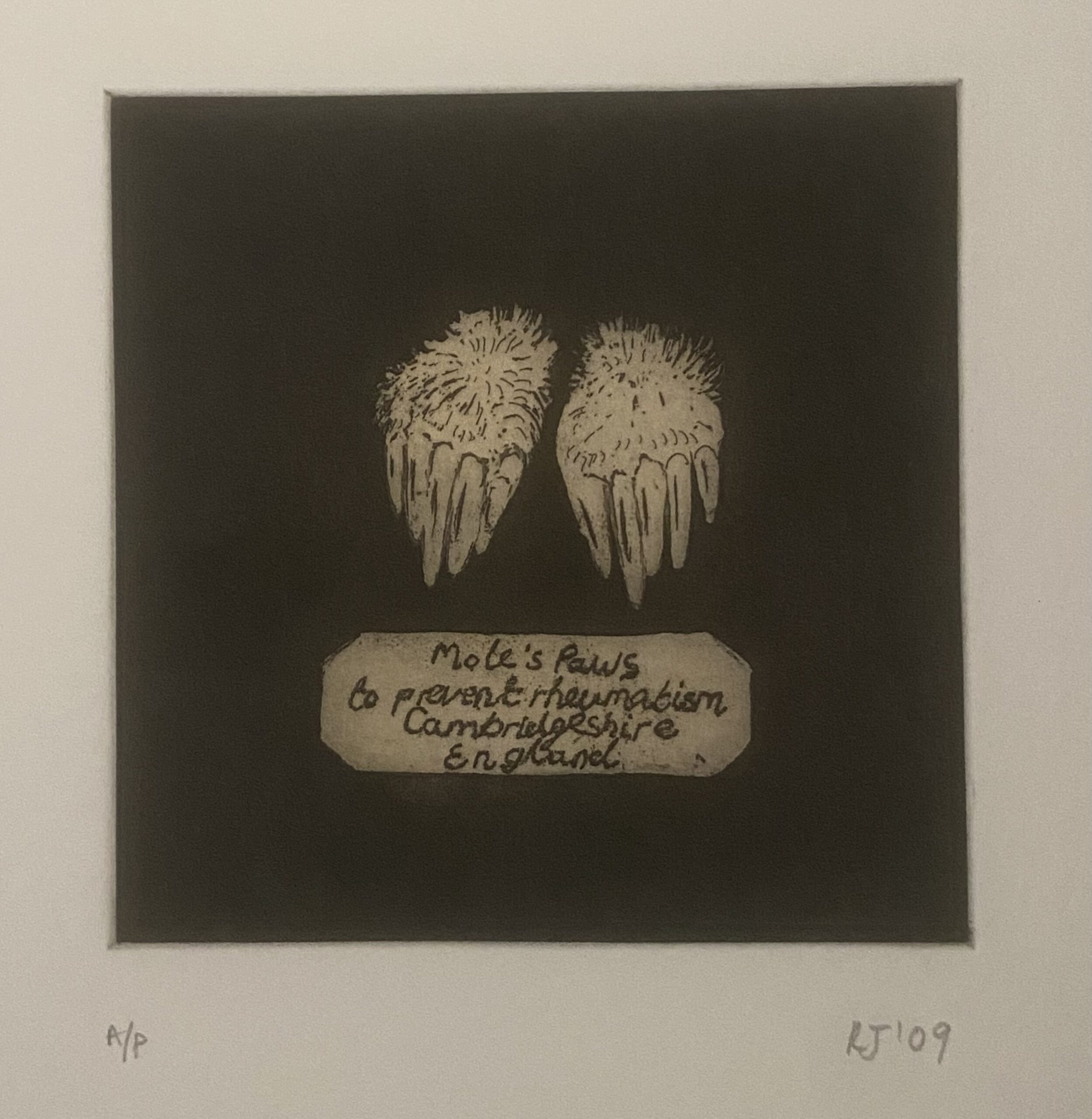
Mole’s forefeet, an old protective charm carried in the pocket by fenfolk as a cure and preventative for rheumatism. Rheumatism was a common ailment due to the damp climate of the Fens. Folklore Society Collection, CAMFK:418.64
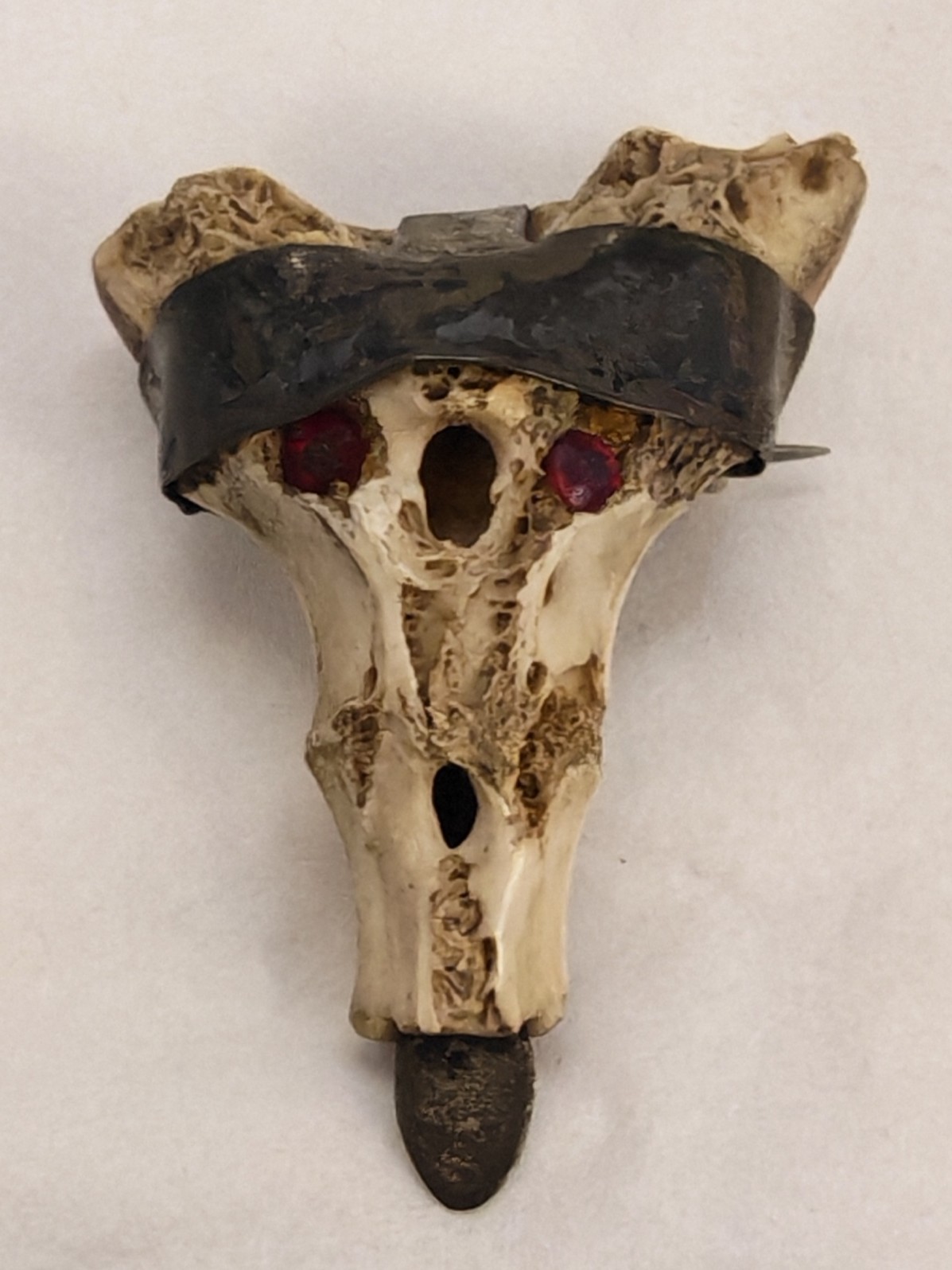
- Bone brooch with garnet eyes, believed to protect its wearer from illness. c.1910. Folklore Society Collection, CAMFK:M0066.80
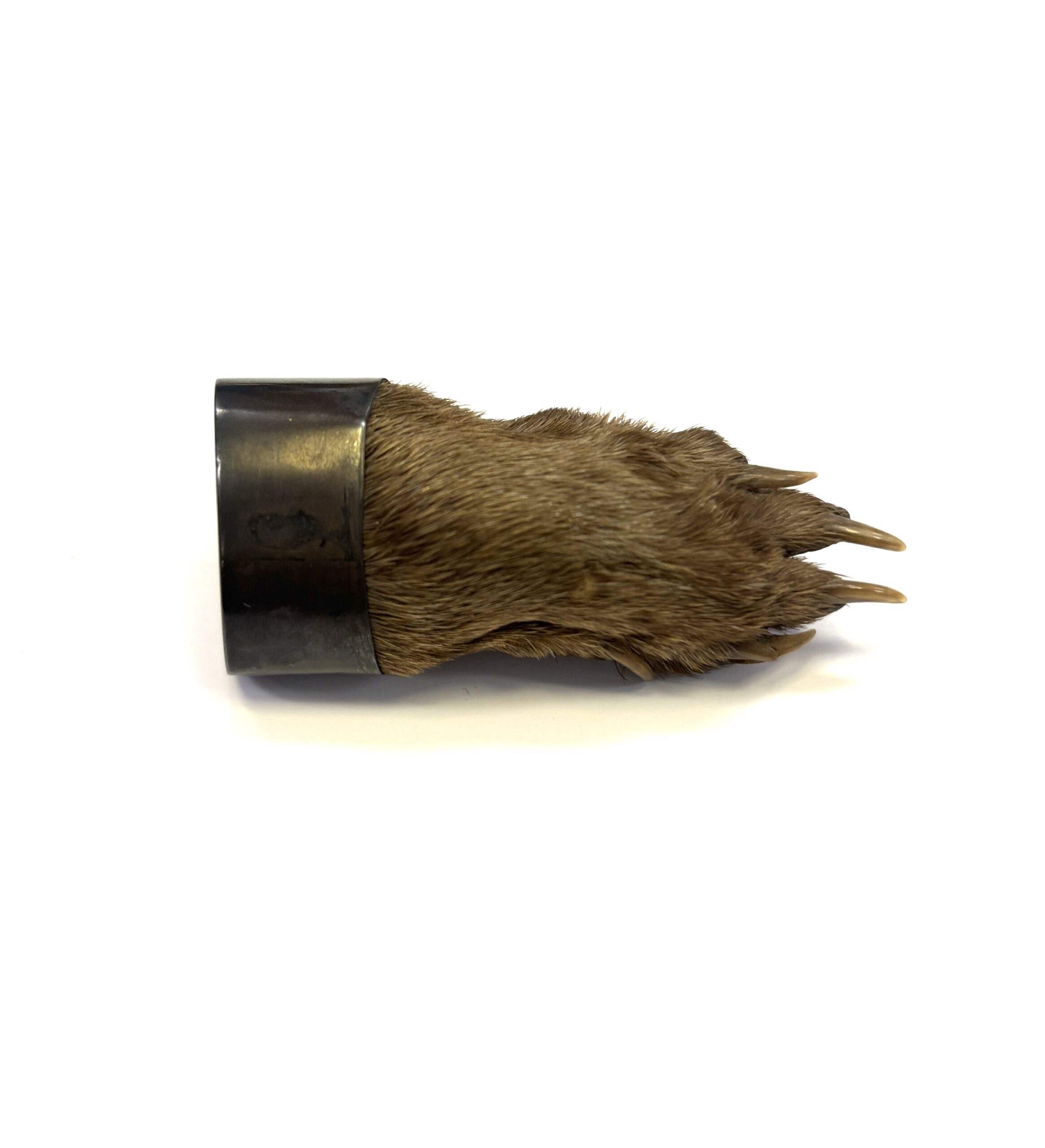
The bone is misidentified as the skull of a rabbit or a hare, though is more likely a sacral vertebra (the backbones around the hips) of a rabbit or hare - Brooch made from the pad of an otter, mounted on a silver base and fitted with a fastening. The base of the mount is engraved ‘St Ives Sept. 28th, 1933’. Loan from the Norris Museum, St Ives, Cambs, 92.07
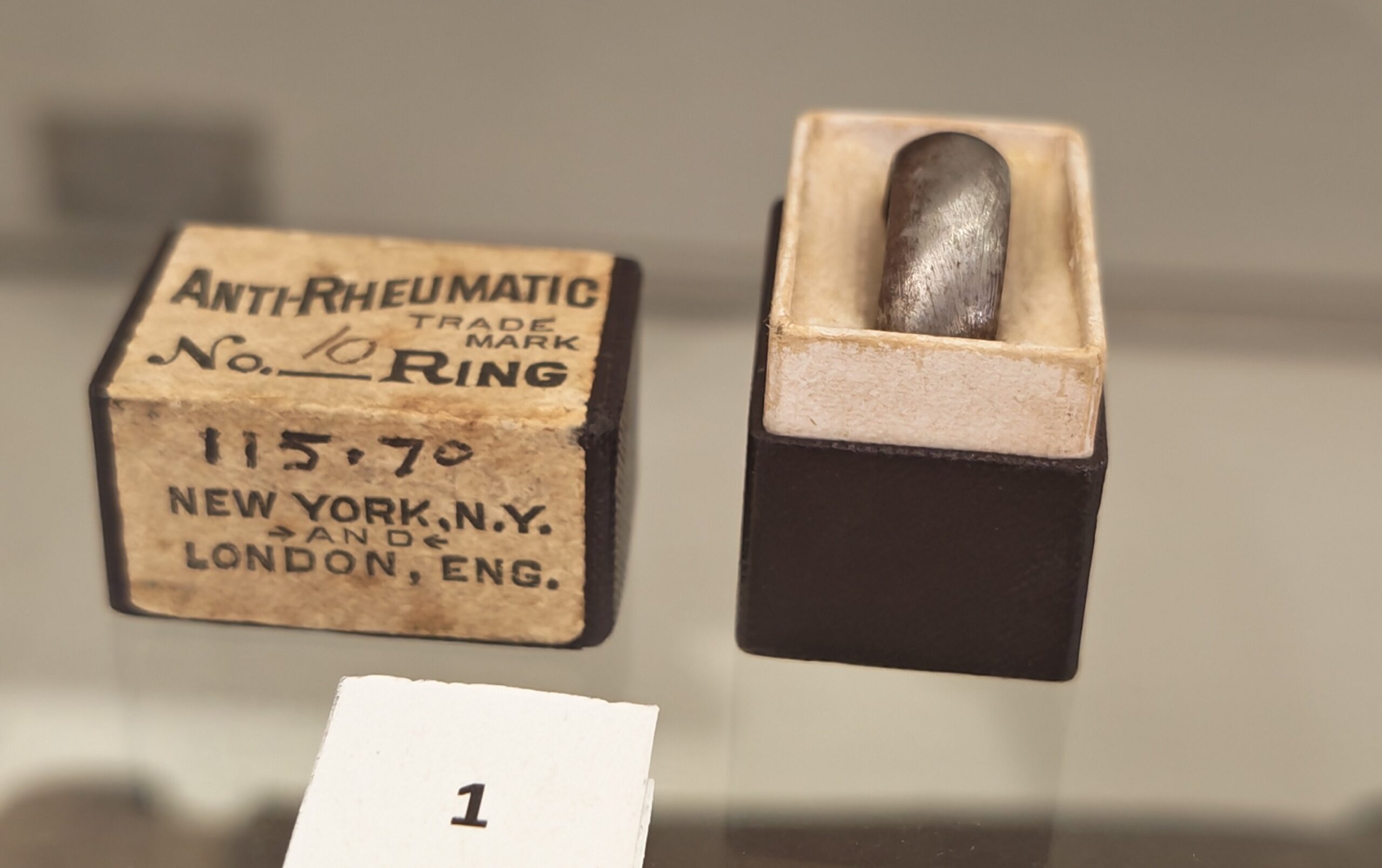
Such items were often carried as protection from illness. - Kimball’s Anti-Rheumatic Ring No.10, c.1890s. CAMFK:115.70
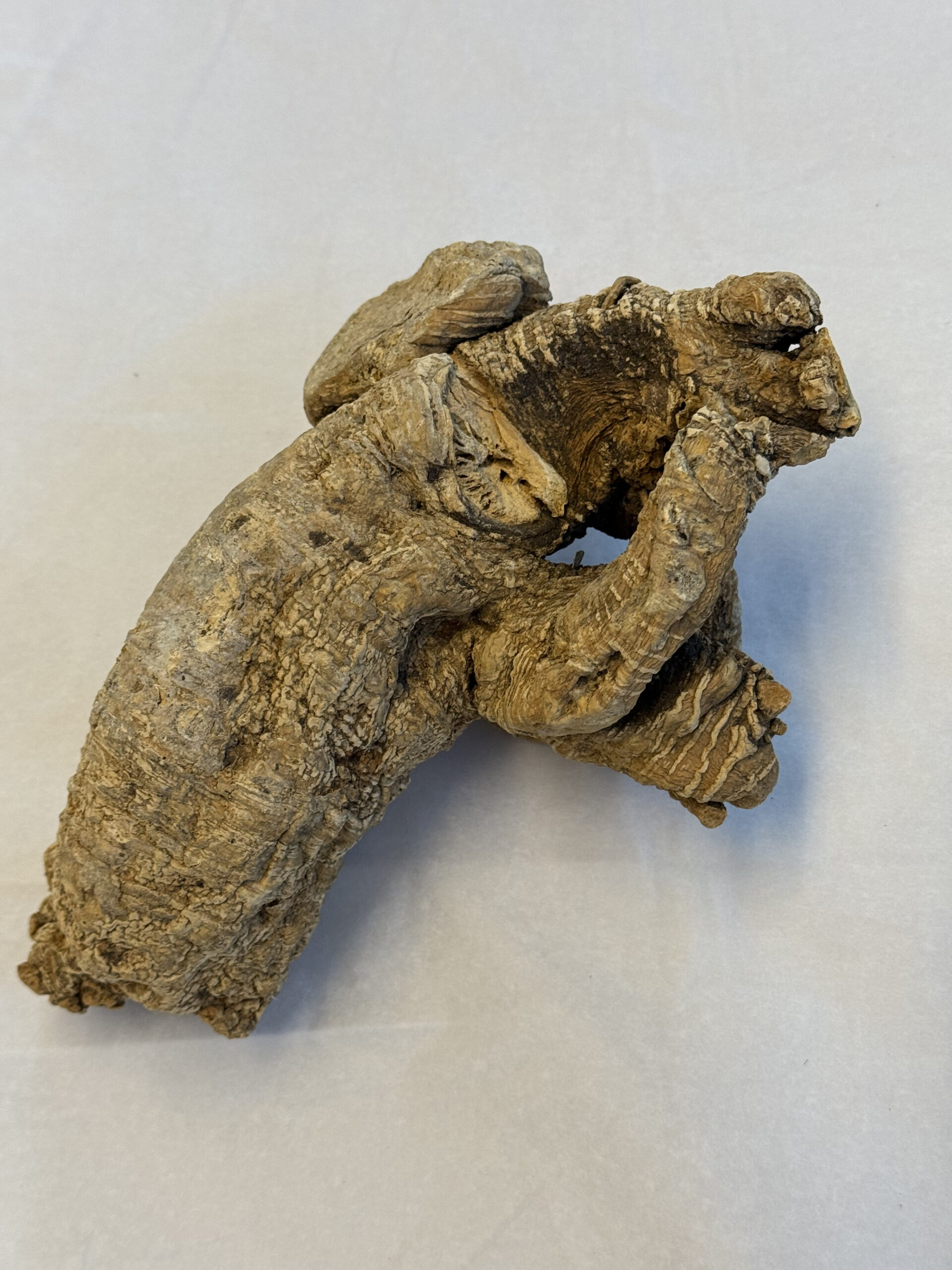
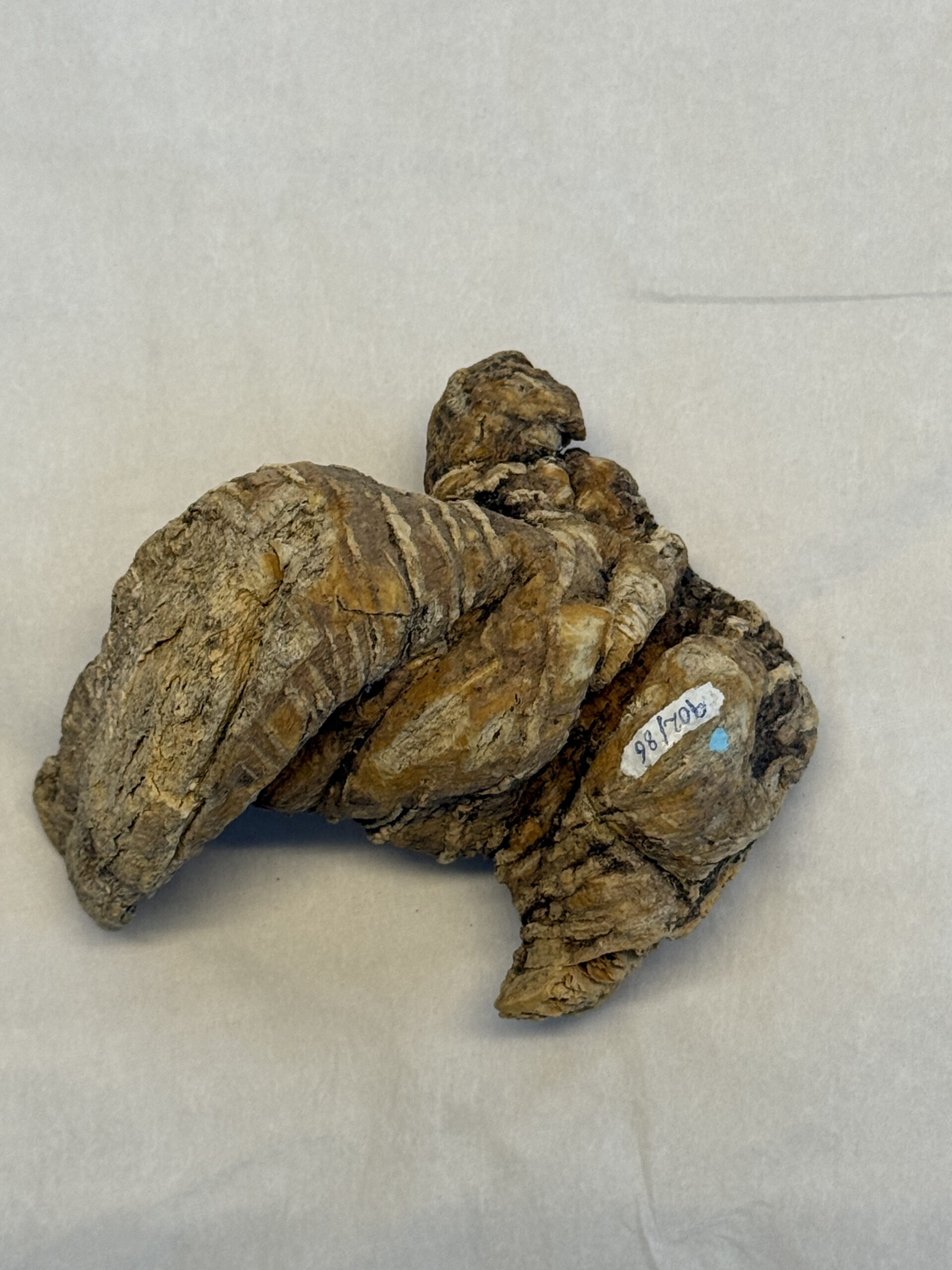
The ring was claimed to permanently cure rheumatism, neuralgia, gout, sciatica and lumbago when worn on the little finger of the left hand. - Mandrake root (White Bryony). Folklore Society Collection, CAMFK: 902.86
Mandrake does not grow naturally in England. However, a similar plant, white bryony, is often referred to as mandrake because of its resemblance to the true plant. With their winding roots, mandrake and white bryony can resemble the human form.
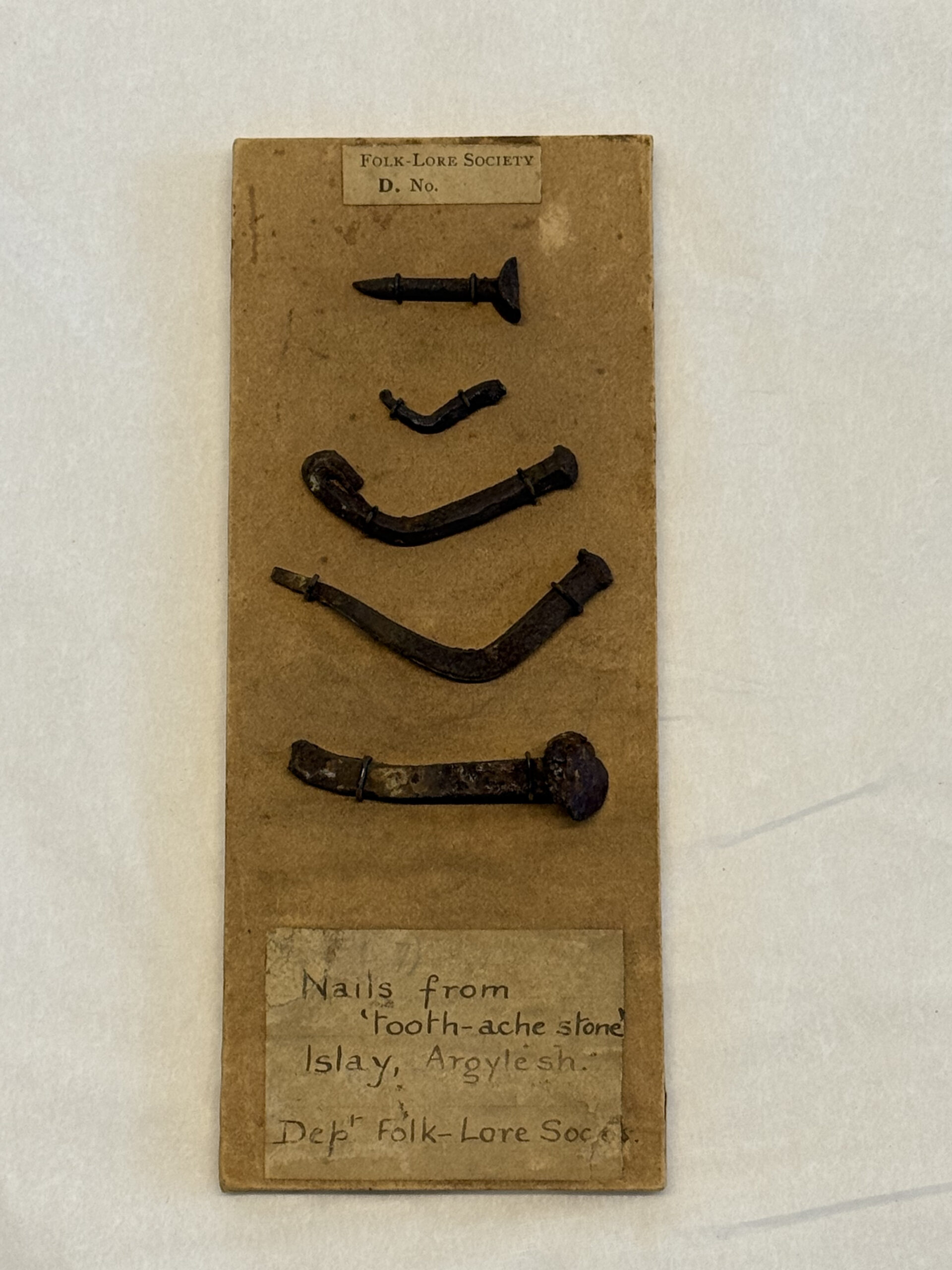
The roots were often made into tonics. A locally available example was ‘Finch’s Rejuvenating Mixture’, manufactured in Littleport until 1910. The plant’s chemical composition may have some sedative and pain-relieving properties, but it is not considered safe to consume today. - Toothache cure from the ‘Toothache Stone’, Port Charlotte, Islay. Folklore Society Collection, CAMFK:906.86
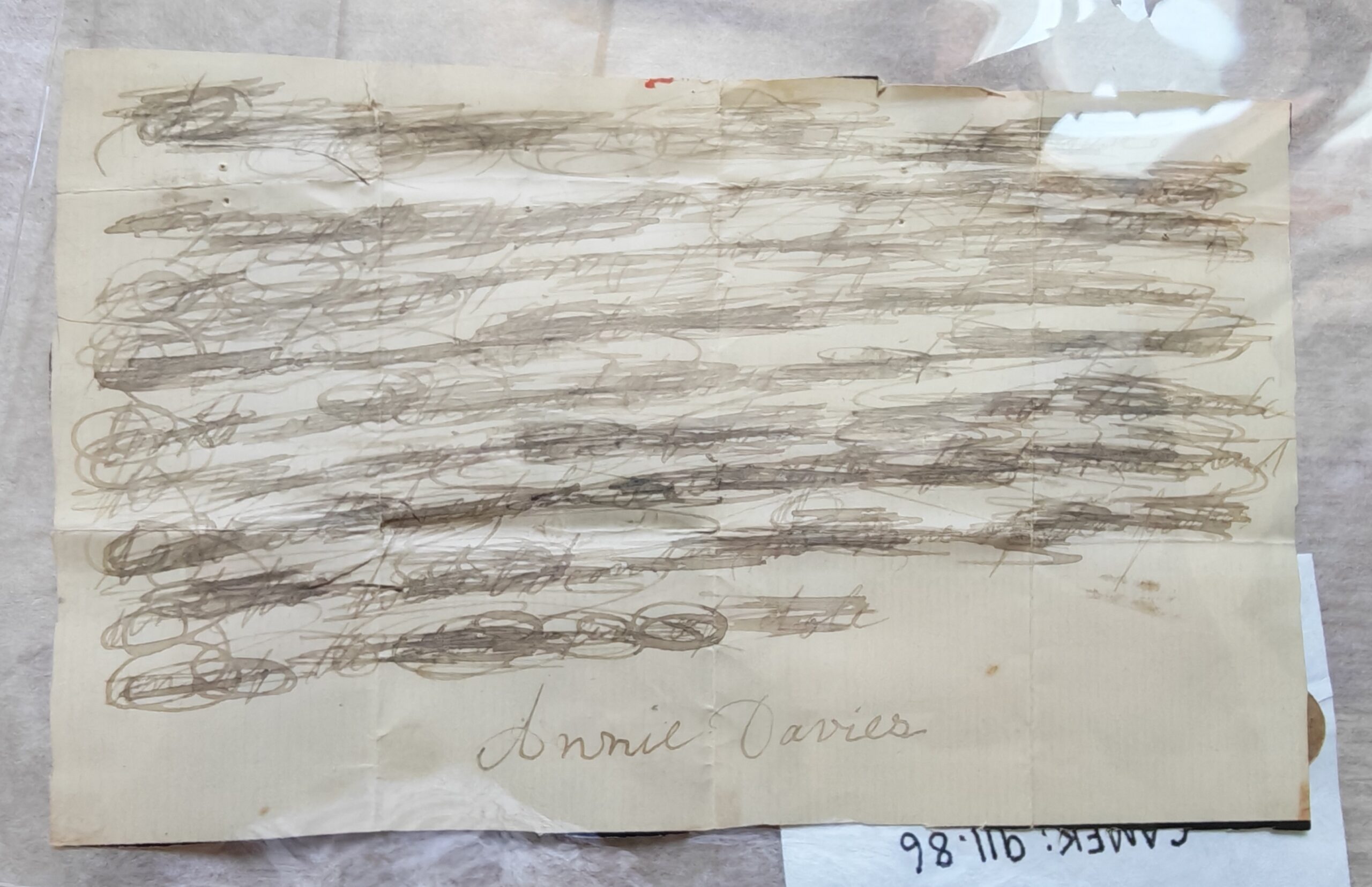
These nails are said to have been used as part of a ritual intended to relieve toothache. According to local tradition, taking a hammer and nail to the molar-shaped ‘Toothache Stone’ outside Port Charlotte, Islay, was believed to cure toothache. Nails hammered into the rock can still be seen today. - Written toothache charm, Middlesex, 1908. Folklore Society Collection, CAMFK:911.86
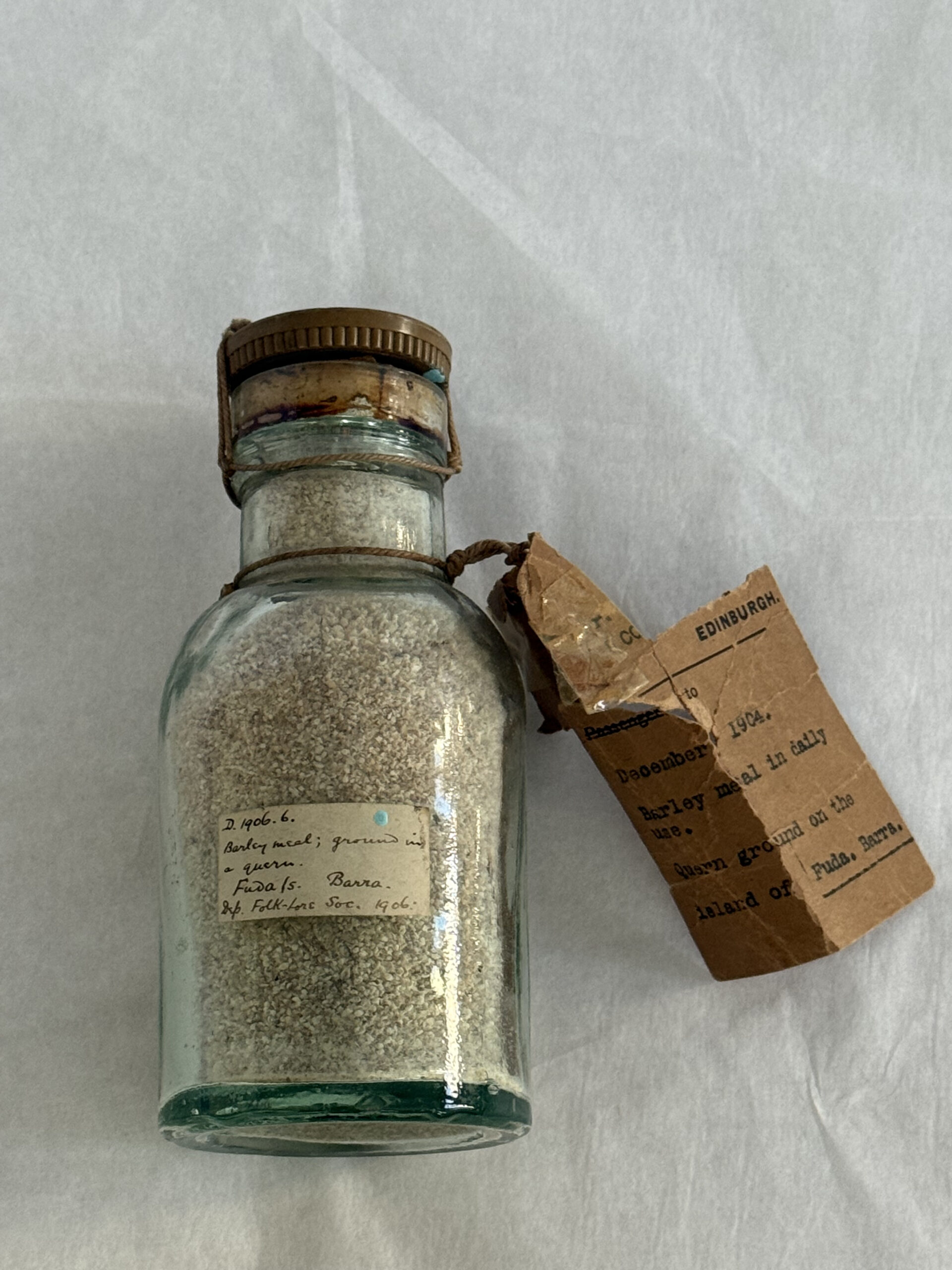
Why the charm is crossed out is unknown. One interpretation is that this could be the final step of the charm, performed after the ritual has been completed. - Bottle of barley meal ground on a quern stone, used as a common cure-all because of its nutritional value. Folklore Society Collection, CAMFK:424.88
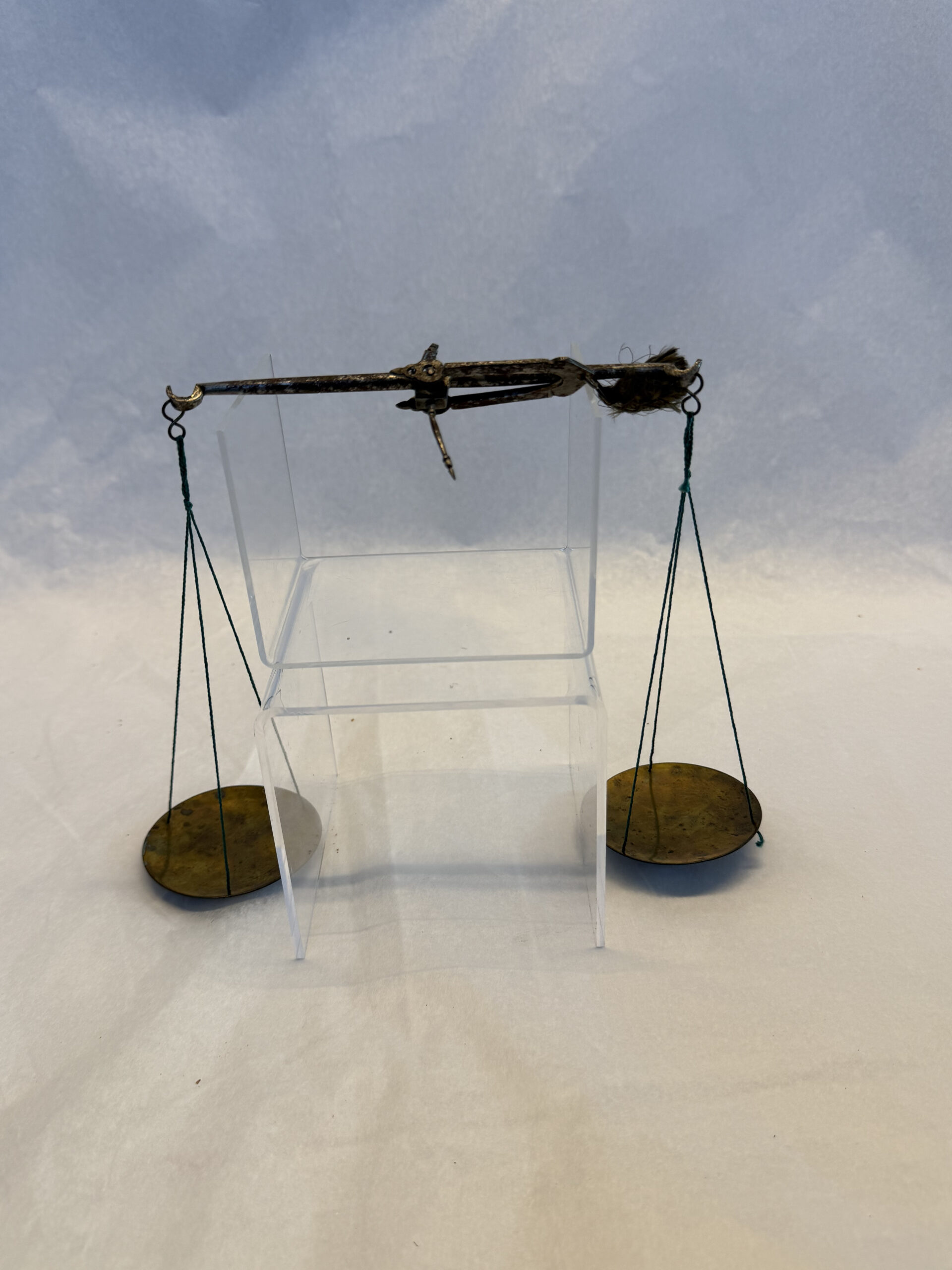
- Apothecary’s weights and scales. Scales such as these would commonly have been used in apothecary shops or by local medicine men and wise women to measure herbs and minerals. CAMFK:29.2.48
- Sphagnum moss grown by BeadaMoss®
.Private Loan.
Sphagnum moss can hold up to eight times its weight in water. It is the building block of peatlands like the East Anglian Fens. Its anti-microbial properties made sphagnum a folk remedy across the world. Many Indigenous North American communities made use of sphagnum’s absorbent properties in baby nappies and menstrual pads. Millions of wound dressings were made using ‘bog moss’ during the First World War.
This sample of sphagnum was propagated by BeadaMoss®, a UK-based company who supply peatland restoration projects with moss. Healthy peatlands store carbon, so restoring them helps combat climate change.
See more: