Our volunteers are at the heart of the Museum and we appreciate every one of them! Find out about our Front of House volunteer Carlotta and what it’s like volunteering with us. Hello! My name is Carlotta, and I have
Volunteer Highlight: Carlotta


Our volunteers are at the heart of the Museum and we appreciate every one of them! Find out about our Front of House volunteer Carlotta and what it’s like volunteering with us. Hello! My name is Carlotta, and I have

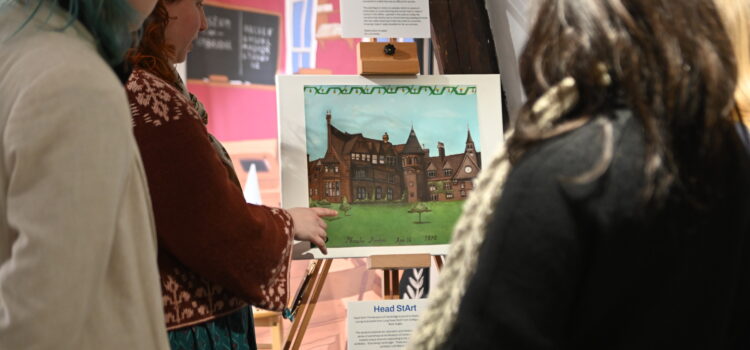
The Museum of Cambridge proudly displays works by three young local artists from Long Road Sixth Form College and College of West Anglia in its temporary exhibition, “Educating Cambridge.” Since October 2024, the Museum of Cambridge has been working with

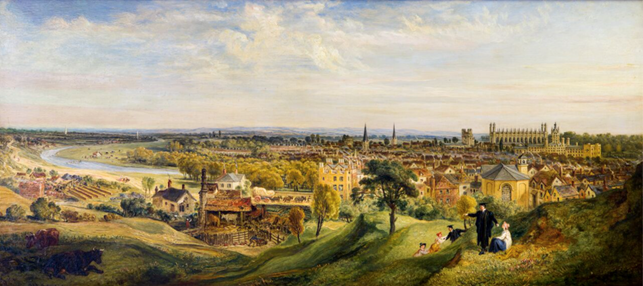
Oil painting by James Ward, View of Cambridge from Castle Hill By Dr N. Henry John Le Keux (a London engraver) and James Ward (a London painter) both produced artistic impressions of the town of Cambridge viewed from Castle Hill

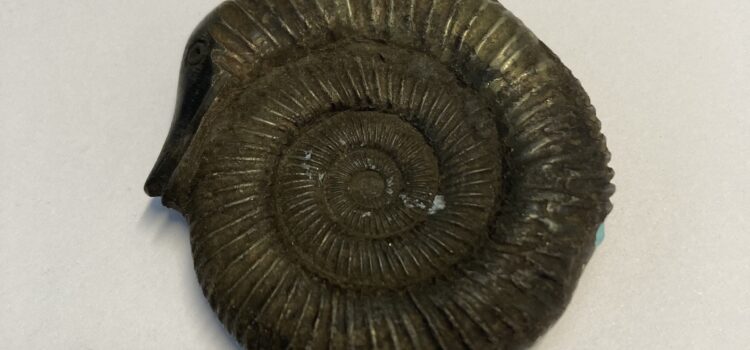
While this might look like a simple fossil at first glance, if we take a closer look, it soon becomes clear that there is some fascinating folklore going on here! This is a snakestone – a name given to ammonites

It was a sad irony to discover in the Museum of Cambridge the beautiful book of etchings by Robert Farren, Cambridge and Its Neighbourhood, published in 1881, just as Farren’s house of the same year, Mayfield, 110 Hills Road, was

We’re looking for an inspirational Director to take on a career-defining role at the Museum of Cambridge. The Museum of Cambridge offers a unique opportunity for an inspirational leader to shape the future of one of the city’s most valued

CAMFK 656.36: Carved wooden figurehead of Queen Victoria, created by a disabled person. The Museum of Cambridge is thrilled to announce an exciting new initiative made possible by a £99,802 grant from the Esmée Fairbairn Collections Fund through the Museums

Christmas had been a non-event for James Nutter who, as a Baptist and a true Puritan spirit, had worked most of that day. After all, Christmas had been condemned and banned in the 1640s by the Puritan parliament who saw

While these five small objects might not look important at first glance, on closer inspection they have a huge wealth of history and lore surrounding them. They are astragali, or knucklebones, and are the talus bones from sheep or goats.

In Georgian times, the festive season started on the 6th of December (Saint Nicholas’ day) and finished on Twelfth Night (the evening preceding Epiphany). This meant that, at least for the middle classes and the aristocracy, there was during this