
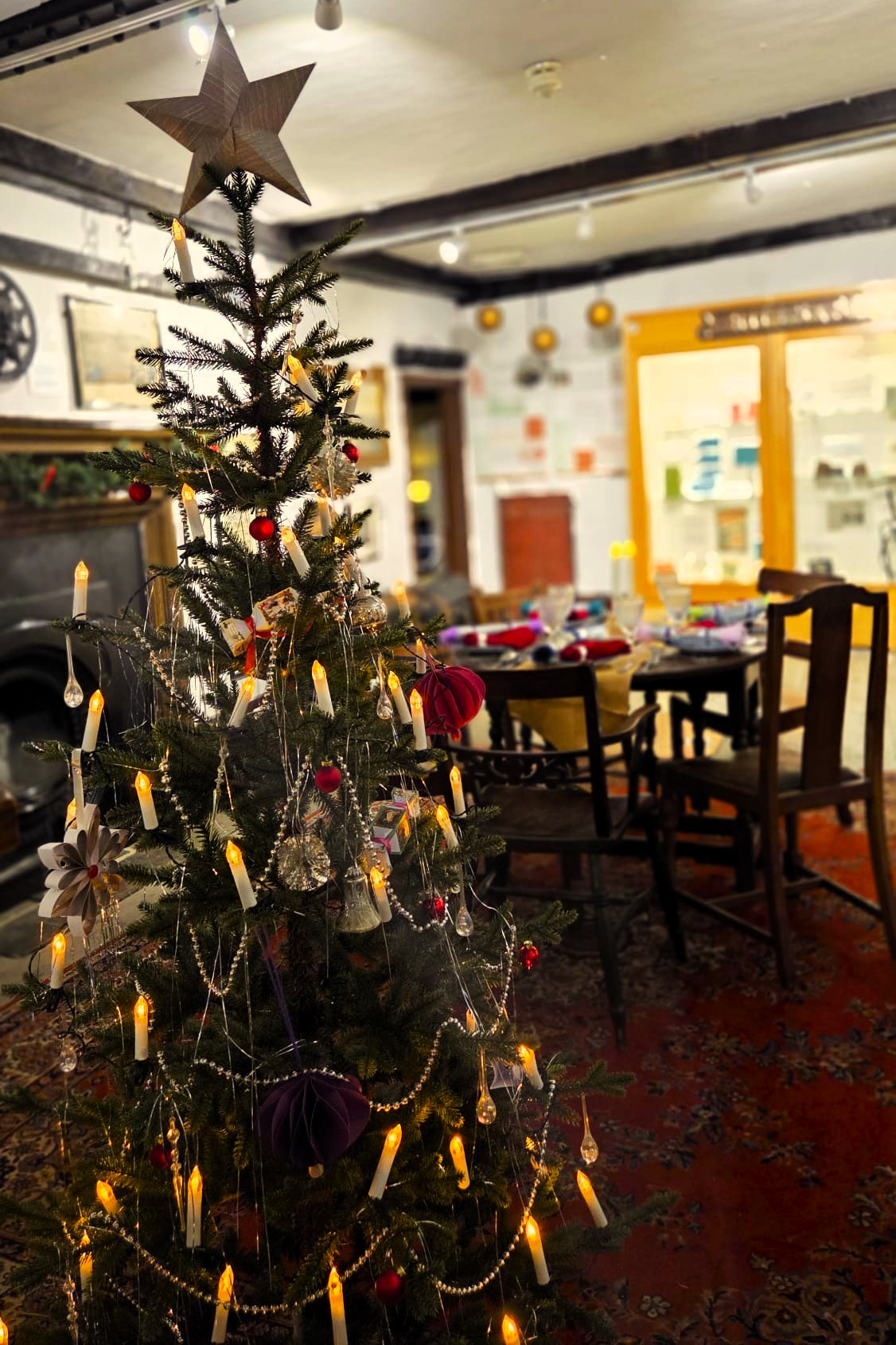
Turn back time this festive season with decorations and traditions from a century ago as we celebrate A 1920s Christmas at the Museum of Cambridge. Dive in to some of the research we’ve done whilst preparing our Christmas experience and get some instructions for some homemade crafts and decorations from the 1920s.
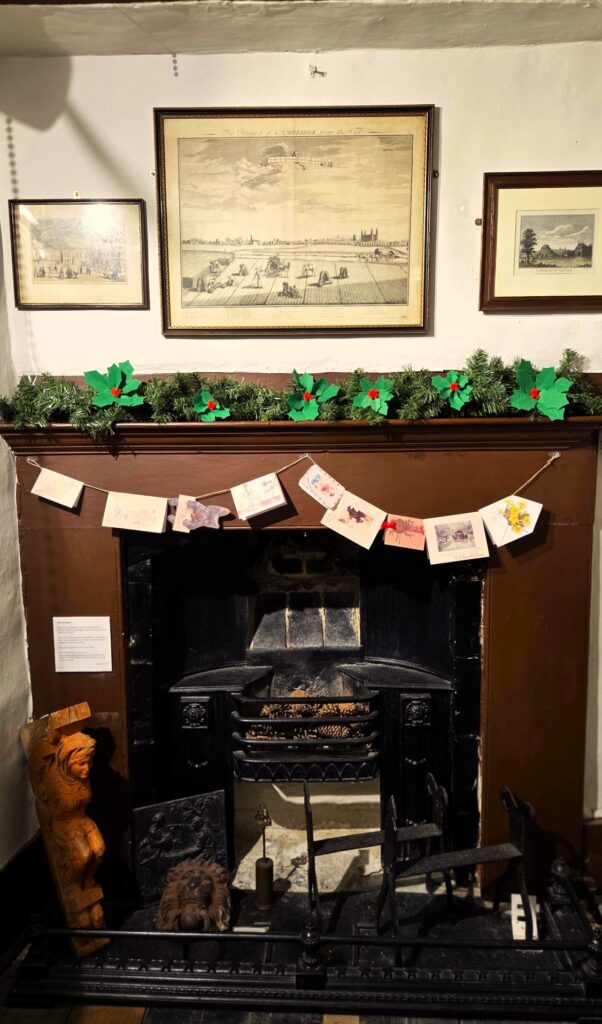
Many of the Christmas traditions we know today were born in the Victorian era (1837-1901), but became more popular and accessible to ordinary people in the early 20th century. Christmas cards were first commercially produced in 1843, but following a drop in their popularity thanks to the advent of postcards, they came back in the 1920s in a major way. The Museum of Cambridge has lots of Victorian and Edwardian Christmas cards in our collection, from the beautiful to the utterly bizarre.
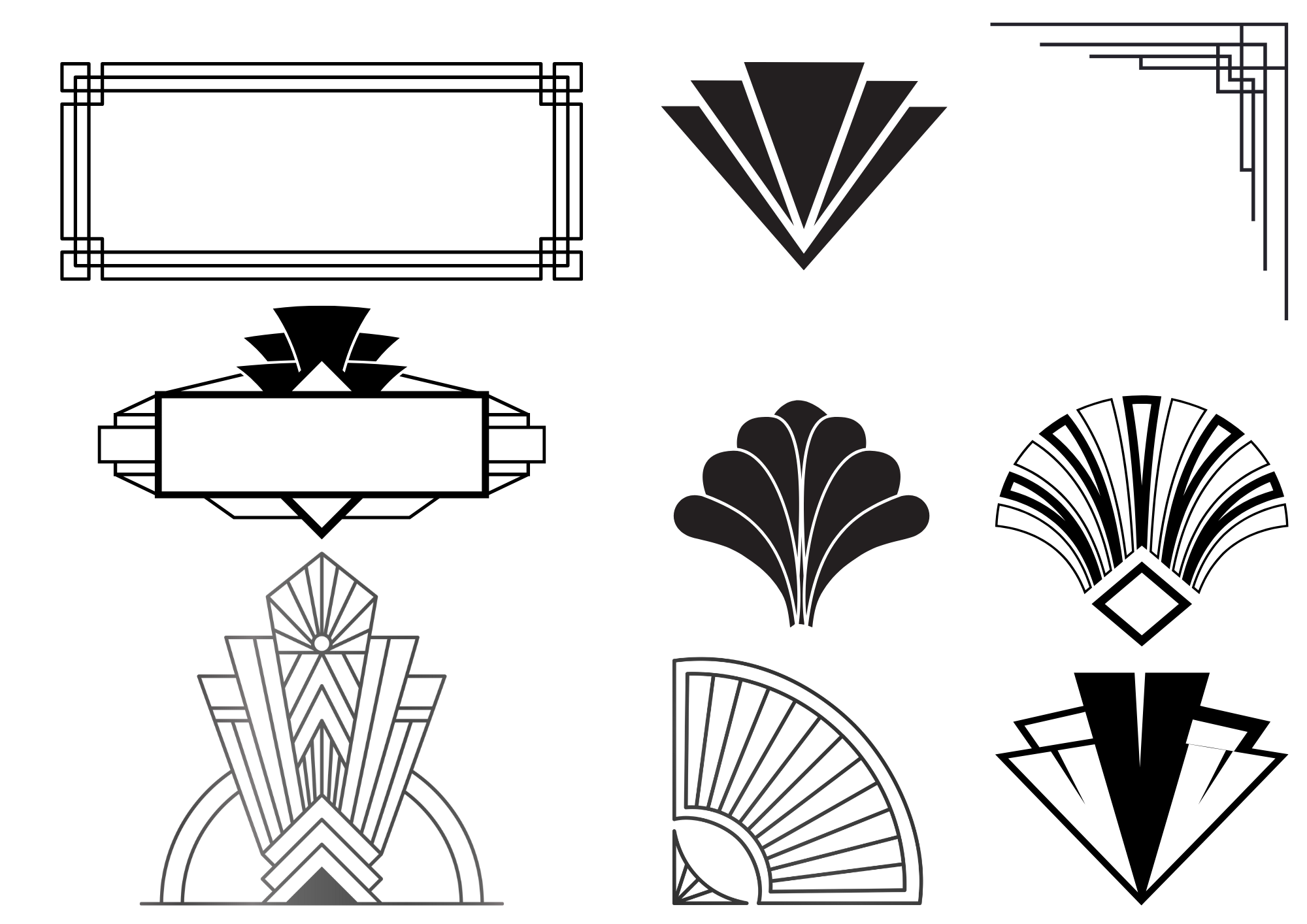
Handmade Christmas cards were also very popular throughout this period, with pretty lace patterns created on paper and card, and heartfelt notes inside. We’ve created some Art Deco motifs you can use to make your own homemade card. You can watch the video below to find out how to do it, and click the link here to download the motifs.
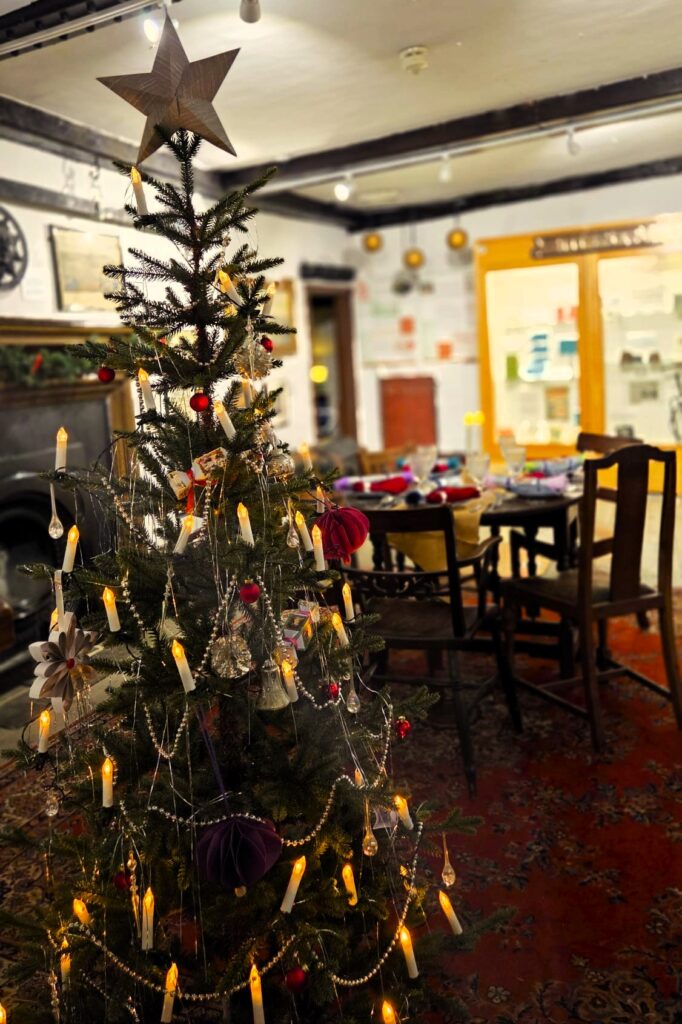
Christmas trees were a staple in most families’ homes by the mid-1920s, becoming more affordable and spreading to all classes from its royal origins in the 19th century. Glass decorations and real candles were popular among the middle classes, but homemade decorations of paper and metal were also common.
Concertina paper baubles were used to bring colour to the Christmas tree. Print out our templates on coloured card or on plain paper and colour it in, fold them in half then glue them together in an alternating pattern. Watch the video below for guidance.
Pompoms, now often seen sitting atop a winter hat, had been used in military uniforms as signifiers of rank or regiment for a couple of hundred years before they became fashion accessories in the late 1920s. Economic decline meant fancy embellishments to clothing became unaffordable, and so pompoms made of scrap yarn became favoured.
To make a pompom bauble, you’ll need two pieces of cardboard, scissors and some yarn: that’s it! Follow the video below for instructions to make your own fluffy ornament.
Lastly, you might want some garlands to wrap around the tree. Tinsel did exist 100 years ago, but was made of real metal and quite expensive, so we have a couple of alternative suggestions for you to try out. Firstly, the classic paper chain was popular not just on the tree, but hanging along the ceiling in loops (come and see what we mean in the Museum’s old Bar). Using old scrap paper, wallpaper or coloured card is a great way to tidy up the recycling and make something truly unique!
If you’ve had enough of paper crafts, why not try something a little bit different. Popcorn was a popular decoration among German immigrants to the United States in the late 1800s, where it would be strung onto string and draped around the tree. By the 1920s, popcorn had crossed the Atlantic and was particularly common as a snack for poorer families, as it was both cheap to produce and delicious! Have a look at the video making these garlands and have a go for yourself.
We’ve had a great time finding out more of the Christmas traditions of the past, and we hope you get some joy out of recreating them at home. For even more festive cheer and an immersive glimpse of the past, experience ‘A 1920s Christmas at the Museum of Cambridge’ until January 5th.