
Written by Roger Lilley, Trustee
The General Strike of May 1926 only lasted nine days but, in that time, exposed faultlines in Cambridge society that were to be remembered for many years. Whilst the University and its students were largely supportive of the government and facilitated the recruitment of thousands of undergraduates who opposed the strike and manned essential services, there were many railway workers who went out on strike, and trade unionists and Labour activists such as Clara Rackham and Leah Manning who supported the strikers.
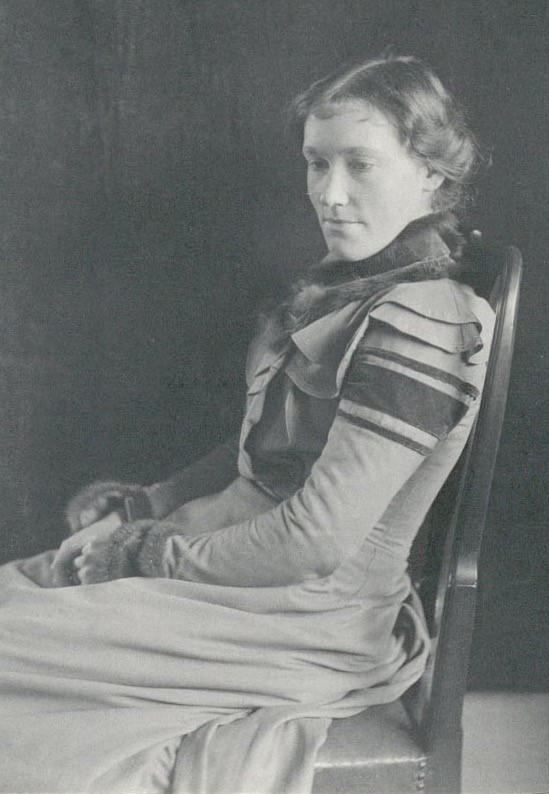
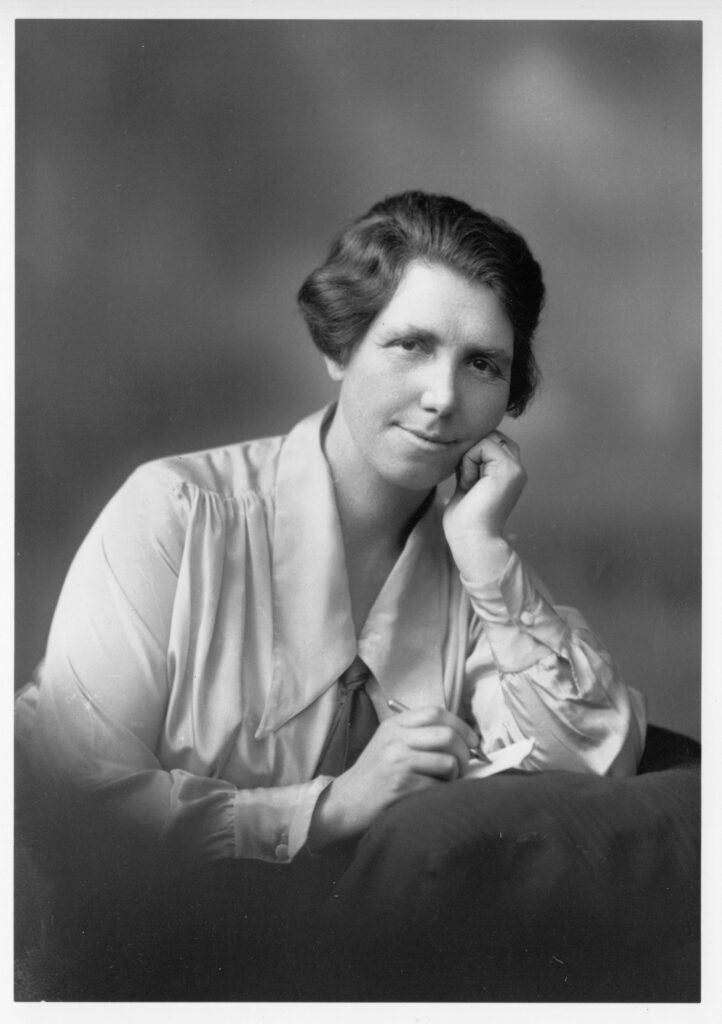
The heart of Cambridge’s working-class community were the railway workers and their families around Mill Road and Romsey Town. This community had evolved independent from the influence of the University and its patronage. They felt solidarity with other working-class communities around the country such as the miners. Their public meetings, collections and political discussion reinforced this kinship.
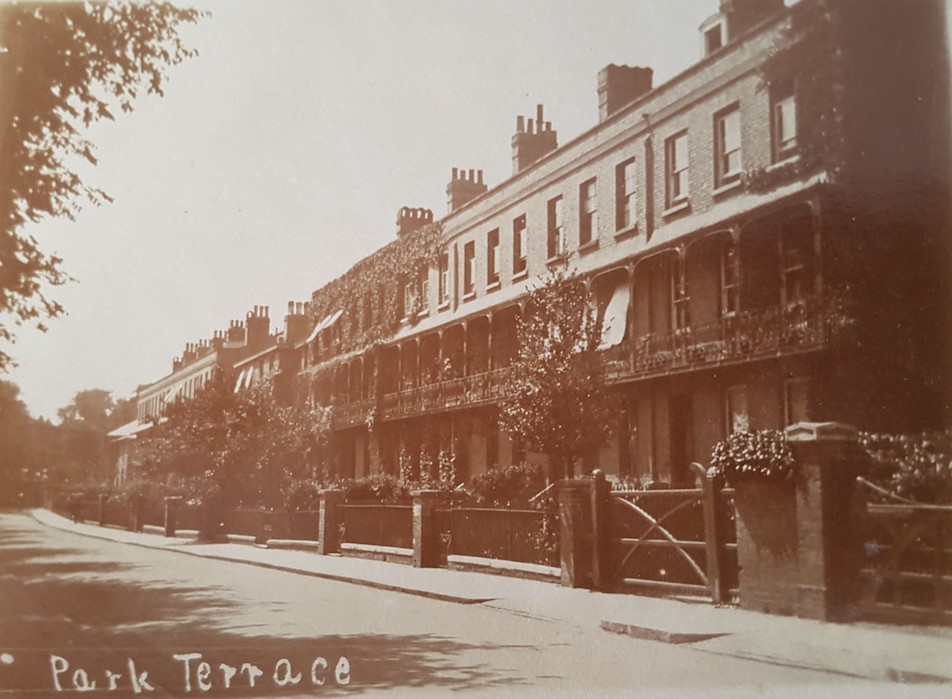
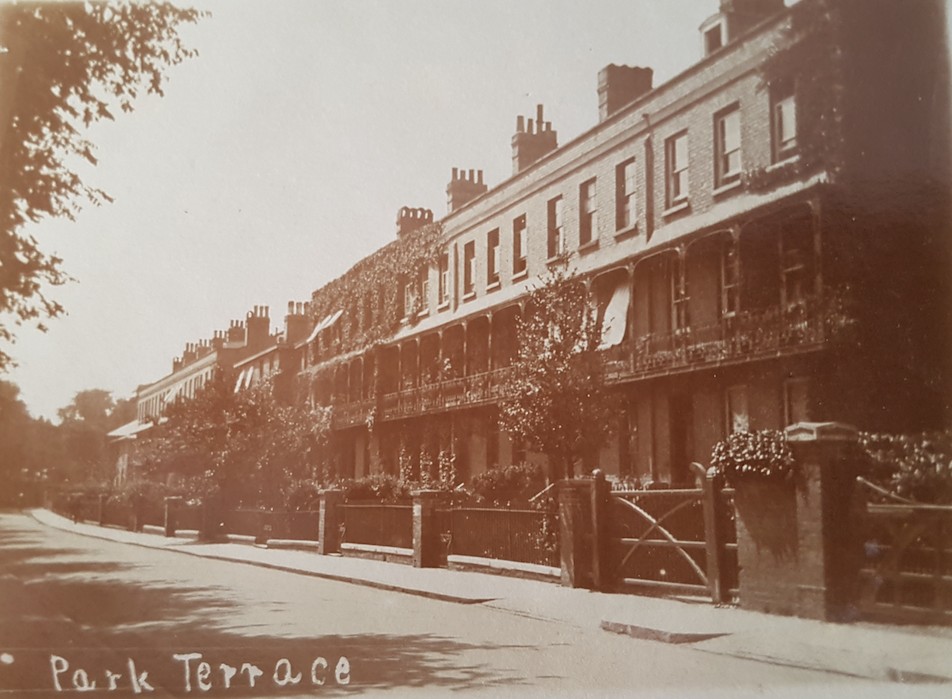
The strikers were supported by left-wing intellectuals such as Clara Rackham and Leah Manning. Rackham, already a suffragist and social reformer, opened her home at 9 Park Terrace and it became the HQ of the Cambridge General Strike Committee. Bulletins were distributed and activities coordinated.
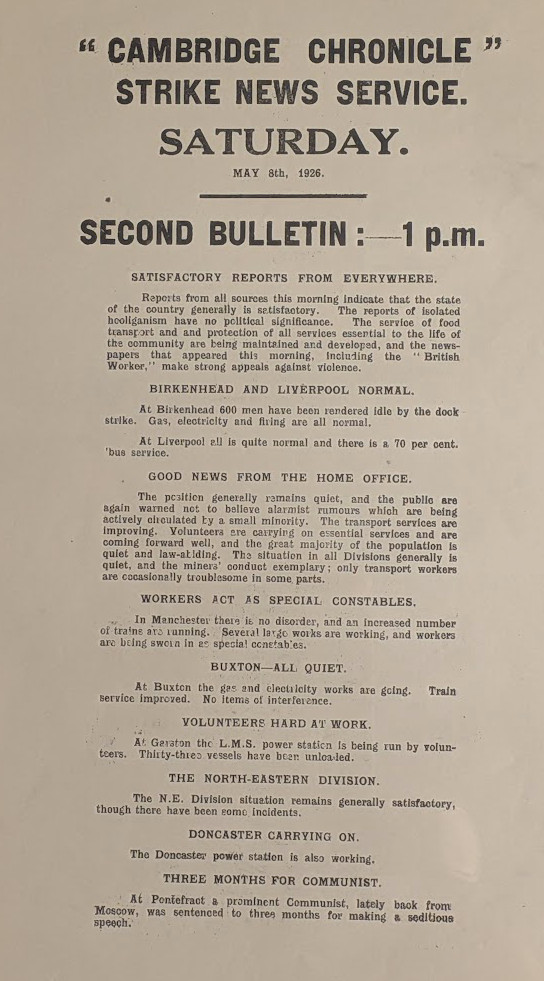
Leah Manning’s diary provides a vivid account of a committee that included some sympathetic students working into the night preparing strike literature alongside the smell of coffee and sausages. She writes:
“In Cambridge we set up a General Strike Committee: it met in Clara Rackham’s basement kitchen.”
and,
“Undergraduates worked with us all the evening, rolling and preparing for delivery the Strike Bulletin…”
Meanwhile thousands of students took the opportunity, encouraged by the University, to join voluntary work forces to thwart the effects of the strikers. In Cambridge the main opportunity was providing labour for the railways, even to the extent of driving trains, although that produced at least one fatality. Other students were despatched across the country, such as to the docks at Hull. These students’ whose efforts were celebrated in some pro-government newspapers.
This overall division of support was reflected in the newspapers and the population in Cambridge at large. However, there were no major confrontations and daily life continued to be more normal during the strike than in industrial cities.
The General Strike revealed new social divides that had not existed before the emergence of Cambridge’s working-class communities (mainly in Romsey Town) who were not dependent on University employment. But it also revealed how a number of intellectuals, students and academics, had moved towards support of the Labour movement and social reform. For a brief period, Clara Rackham’s kitchen, the streets of Romsey Town, Parker’s Piece and the ivory towers, were caught up in a national dispute that again revived the town and gown divide.
The Museum of Cambridge is the independent social history museum of the City and County of Cambridgeshire. As a registered charity the Museum relies on your support to enable volunteering opportunities such as this.
For more information on how to support the Museum of Cambridge’s vital work to preserve local history for future generations, visit www.museumofcambridge.org.uk or phone 01223 355159.