
Written and performed by Jane Bower
Eversden Village Hall, 1 July 2026
Reviewed by Roger Lilley, Trustee, The Museum of Cambridge
There are many ways of telling the story of an extraordinary life. Some rely on elaborate staging, others on dramatic reconstruction or historical narration. Jane Bower’s Call Me John succeeds through something altogether more intimate: a thoughtful blend of words, music, projected images and carefully judged performance that brings the remarkable life of E. M. “John” Barraud vividly before an audience in the very community where much of that life was lived.
Barraud was an unconventional figure in every sense. A Women’s Land Army worker during the Second World War, writer, naturalist, poet and observer of rural life, she also challenged accepted ideas of gender decades before such discussions entered public consciousness. Describing herself as “mentally male, physically female”, she asked friends to call her John. Rather than reducing her subject to a modern political symbol, Bower presents Barraud as a complex, intelligent and deeply humane individual whose life was shaped by both personal conviction and a profound love of the Cambridgeshire countryside.
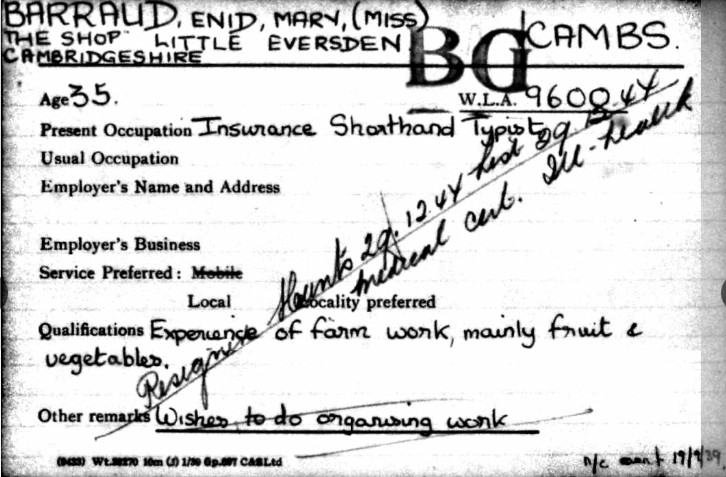
Barraud’s significance extends well beyond her local connections. As both a writer and a keen observer of the natural world, she left an important record of rural Cambridgeshire during a period of profound social change. Her experiences as a Land Girl, her lifelong engagement with farming and wildlife, and her reflections on identity make her an unusually rich subject for social history. At a time when women were expected to conform to narrowly defined social roles, Barraud quietly lived according to her own convictions. Without seeking publicity or notoriety, she challenged assumptions about gender, work and personal identity in ways that have acquired fresh relevance today. Her writings also preserve valuable insights into the people, landscapes and farming traditions of twentieth-century Cambridgeshire, making her an important witness to a disappearing rural world.
The production avoids conventional biography. Instead it creates a collage of voices, memories, diary extracts, poetry, projected photographs and music that gradually builds a portrait of Barraud’s inner and outer worlds. The result feels less like a lecture than a conversation across time, inviting the audience to discover rather than simply to observe.
Jane Bower’s performance is assured, even mesmerising, throughout. Having researched Barraud’s life extensively through family members, local residents and archival material, she conveys not merely the facts of her subject’s life but also her character, humour, determination and occasional vulnerability. There is warmth in the narration, but never sentimentality, allowing Barraud’s own words to retain their authenticity and emotional power.
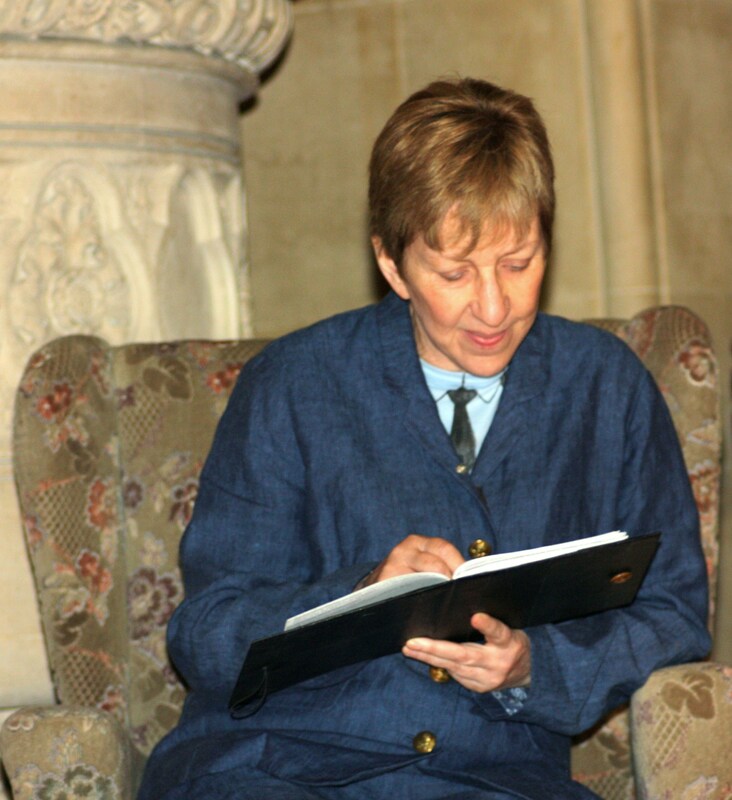
The multimedia elements are particularly effective—designed and operated by Chip Colquhoun. Historic photographs and illustrations provide valuable context without overwhelming the narrative, while the carefully chosen musical interludes allow moments of reflection between episodes in Barraud’s life. The technical presentation is understated but polished, ensuring that the audience’s attention remains firmly on the story being told.
One of the production’s greatest strengths is its sense of place. Performed in Great Eversden, close to the landscapes that inspired Barraud’s writing and where many local people still remember her, the evening carried a particular resonance. The hall was packed, not only with local villagers but also with many members of the extended Barraud family, several of whom had contributed memories and support to the research behind the production.
Beyond its local significance, however, Call Me John speaks to wider themes: identity, belonging, the dignity of rural labour, the relationship between people and landscape, and the courage required to live authentically in less tolerant times. Without ever becoming didactic, the production encourages reflection on how society understands individuality and difference, while celebrating Barraud’s enduring contribution to literature, natural history and the social history of rural Britain.
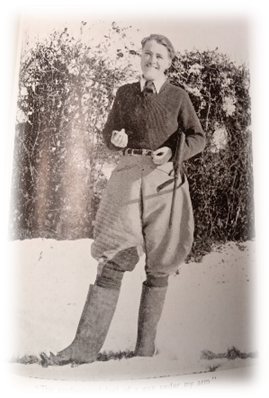
For many in the audience, the evening will undoubtedly inspire a desire to read Barraud’s own books and poetry, ensuring that her voice continues to be heard. That may be the greatest compliment one can pay Jane Bower’s work. Rather than standing between the audience and her subject, she acts as a generous guide, introducing us to a remarkable woman whose life deserves far wider recognition.
Call Me John is an engaging, meticulously researched and deeply moving piece of documentary theatre. It demonstrates how local history, when imaginatively presented, can illuminate universal human experience. The audience left not simply better informed, but with a genuine sense of having encountered E. M. Barraud herself—a fitting achievement for a production dedicated to preserving her memory and introducing her life and writings to a new generation.
The next performance of Call Me John will take place at Downing Place Church, Cambridge, on Thursday 9 July 2026 at 7.30 pm. It offers another opportunity to experience this compelling portrait of one of Cambridgeshire’s most remarkable and original twentieth-century voices.
The Museum of Cambridge is the independent social history museum of the City and County of Cambridgeshire. As a registered charity the Museum relies on your support to enable volunteering opportunities such as this.
For more information on how to support the Museum of Cambridge’s vital work to preserve local history for future generations, visit www.museumofcambridge.org.uk or phone 01223 355159.