
Written by Roger Lilley, Museum of Cambridge Trustee
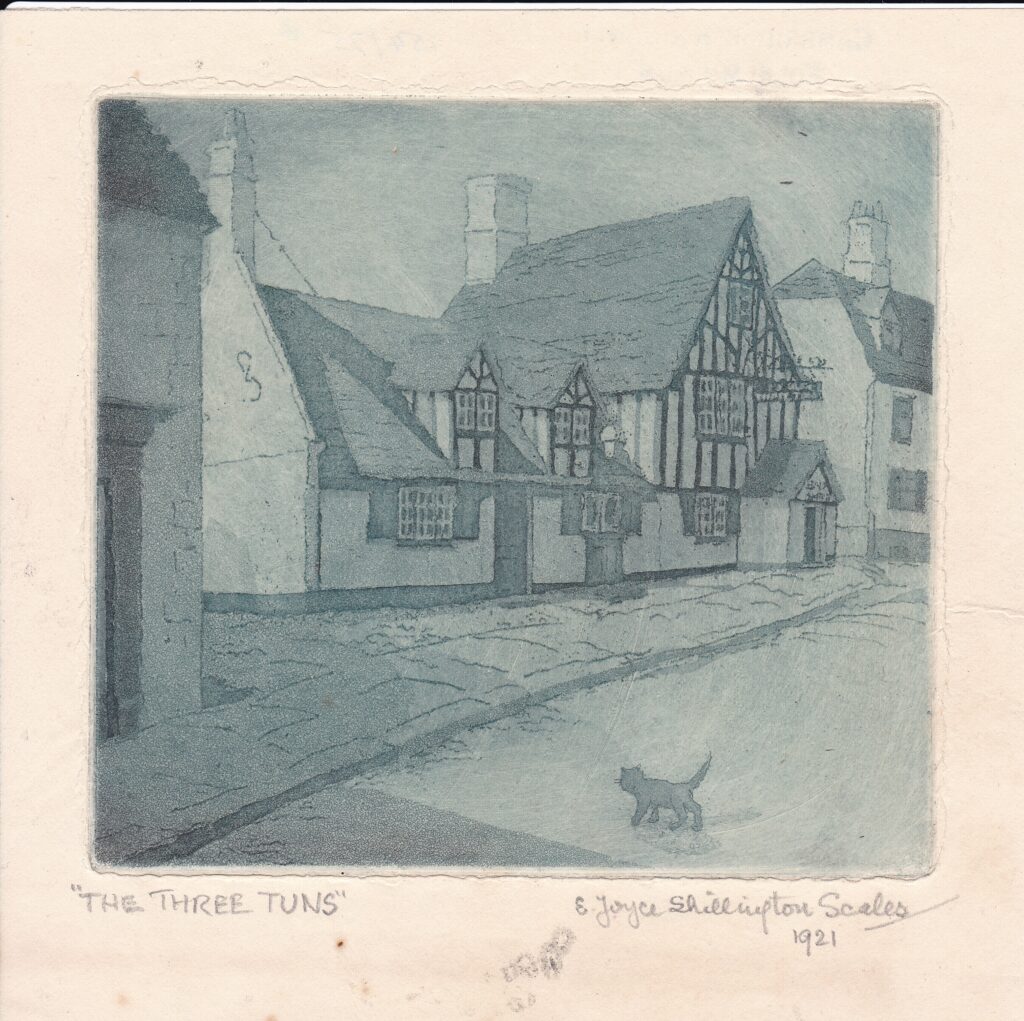
A brief search though the Cambridge newspapers for the key word ‘cat’ sheds light on the popular interest in these pets. Before 1800 they had been valued largely for the control of vermin although there are certainly records of particular cats being held in great affection and some appear in paintings. But by 1900 it is clear that many had come to regard cats as cherished companions and even worthy of expenditure and public concern for their well-being.
In June 1892 the Cambridge Daily News carried a notice offering 5 shillings for the return of a lost tabby cat from 6 Covent Garden. Two years later another advertisement sought a large black cat with a white nose, white throat and evenly marked white feet, offering half a crown to anyone returning it to 35 Perowne Street. This shows the degree of sentimental attachment, worth the outlay of a considerable about of money if they could be recovered.
The emotional value placed upon cats is illustrated even more dramatically by a remarkable letter published in the Cambridge Chronicle in May 1893. Writing from the neighbourhood of York Street and Abbey Walk, G. Fletcher complained that numerous cats had recently disappeared. His own valuable tabby cat had vanished despite wearing a collar, making accidental loss unlikely in his opinion. Fletcher expressed fears that cats and dogs were being poisoned, particularly around Christ’s Pieces, while others, he believed, were being stolen and sold “for medical purposes.” Whatever the truth, this was obviously a serious public issue.
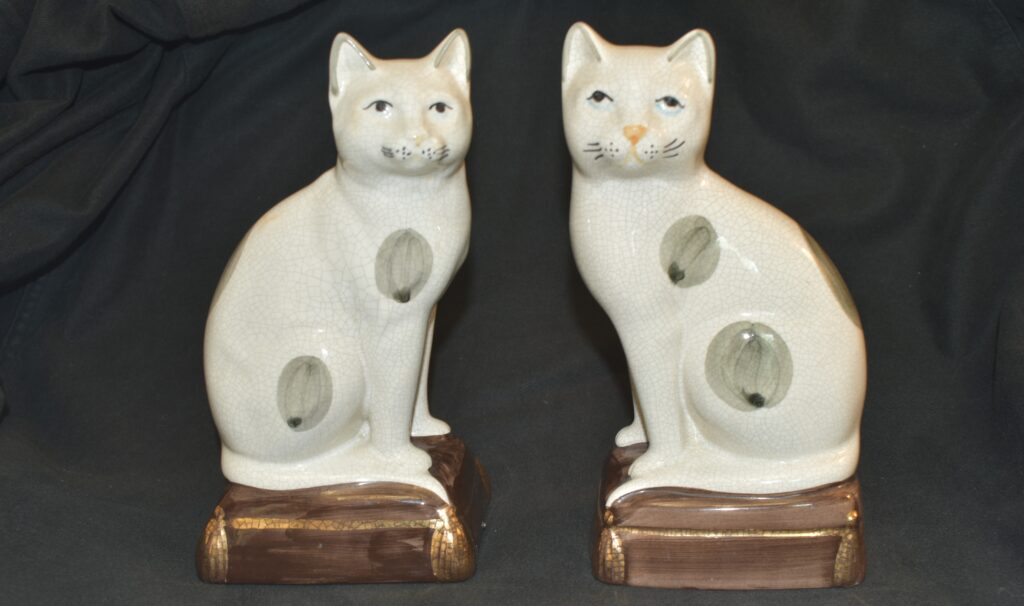
The welfare of cats was becoming important. An advertisement published in August 1899 announced the opening of A Cats’ Home in Cambridge. Operated by Mrs Parr of 20 Covent Garden, Mill Road, the establishment offered to board cats while owners left for their annual holidays at a cost of 1 shilling and 6 pence per week. Families no longer wanted to abandon their cats if they went away. A commercial boarding establishment for cats could only survive if sufficient owners cared enough about their animals to pay for their comfort while absent. The newspaper assured readers that Mrs Parr would ensure that “pussy shall be made thoroughly happy and comfortable” and confidently described the establishment as a genuine “Home.”
Orphaned kittens were not neglected. In March 1899 another Cambridge advertisement sought a healthy cat that had recently given birth to act as a foster mother for orphaned kittens. Five shillings was offered for the use of the nursing cat. The owner was asked to bring both the cat and her own kittens, presumably to encourage successful fostering.
Cats appeared in popular culture. One delightful poem published in 1899 explained why cats wash themselves after eating rather than before. According to the tale, a hungry cat paused to wash before eating a captured mouse after being told that “all genteel folks their faces wash before they think of eating.” The mouse promptly escaped, prompting a solemn feline council to decree that cats should never wash until after meals. The poem is whimsical, yet it assumes that readers delighted in observing ordinary feline behaviour.
An article discussed the celebrated animal artist Louis Wain and praised his cat illustrations while observing how public attitudes had changed. Wain remarked that previous generations had regarded cats as “vermin fit only for the gun-shot,” whereas Victorians increasingly viewed them as “gentle creatures, worthy of our love and respect.” The writer reinforced this by pointing to the famous House of Commons Cat, the Law Courts Cat, and, closer to home, the well-known Clare Cat and other celebrated college cats that wandered freely across Cambridge lawns. Such animals had become local personalities, recognised and admired by generations of students and townspeople alike.
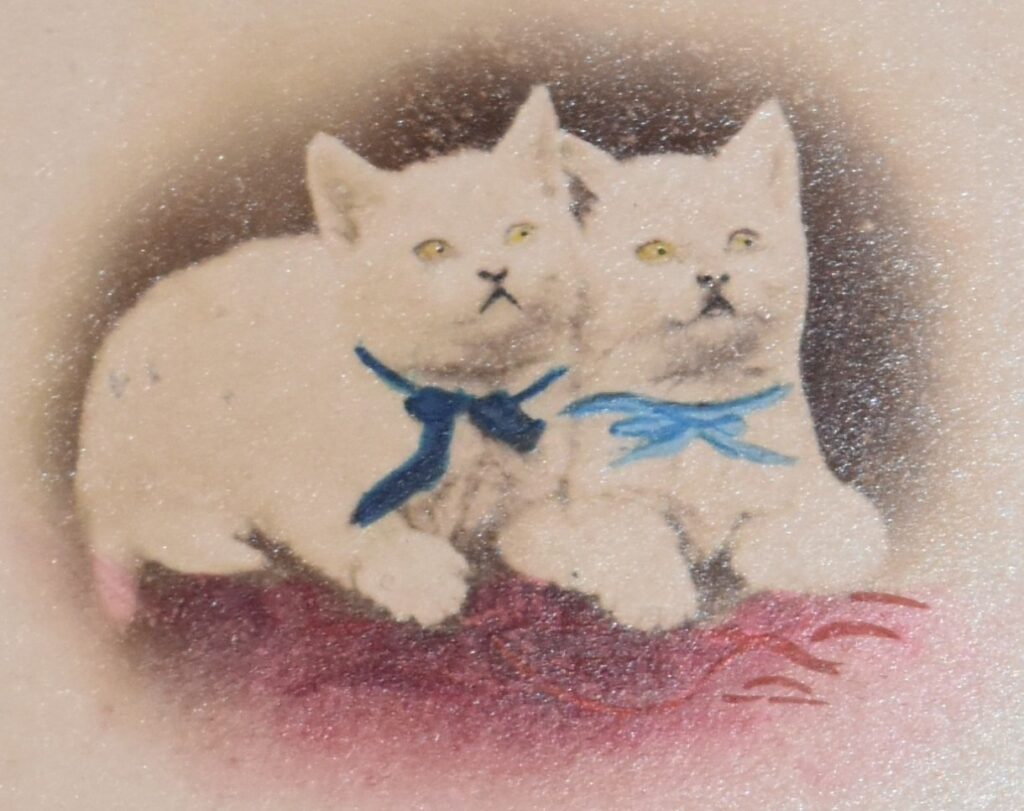
In 1866 the Cambridge Chronicle described how a mother cat had established a nursery inside a hollow tree before secretly moving her kittens to safety after boys discovered the nest. The reporter described her “young family” almost as though recounting the actions of a devoted human mother. This gentle anthropomorphism contrasts sharply with earlier centuries when cats were often portrayed merely as useful or troublesome animals.
Even legal reporting reflected changing values. A humorous article from 1875 described the legal difficulties encountered by the owner of a missing Angora cat worth £10. The courts struggled to decide whether a cat constituted “goods and chattels,” yet the article clearly assumed that pedigree cats possessed both monetary and emotional value. The writer concluded that while the law might remain uncertain, it was “easier to keep a cat when you have it than to recover it when you have lost it.”
Taken together, these newspaper fragments chart a remarkable change in Victorian attitudes towards cats. They reveal beloved household companions rather than mere mousers; owners prepared to offer substantial rewards for their recovery; entrepreneurs providing commercial boarding; efforts to save orphaned kittens; celebrated college cats known across Cambridge; and lively debates about legal rights and animal welfare. Individually these newspaper snippets may appear insignificant. Collectively, however, they document one of the most profound yet often overlooked changes in nineteenth-century domestic life: the emergence of the cat as a valued member of the Victorian family.
Appendix
The poem as it appears in the Cambridge Daily News, Saturday 26 August 1899:
WHY CATS WASH AFTER EATING.
You may have noticed, little friends,
That cats don’t wash their faces
Before they eat, as children do,
In all good Christian places.Well, years ago, a famous cat,
The pangs of hunger feeling,
Had chance to catch a fine young mouse,
Who said, as he ceased squealing,“All genteel folks their faces wash
Before they think of eating!”
And, wishing to be thought well-bred,
Puss heeded his entreating.But when she raised her paw to wash,
Chance for escape affording,
The sly young mouse said his good-bye,
Without respect to wording.A feline council met that day,
And passed, in solemn meeting,
A law forbidding any cat
To wash till after eating.Eva J. Beede
(The Outlook, New York)
For more Cambridge cats, come along to Cats of Cambridge from 31 July – 5 October. A feline-tastic exhibition throughout the galleries of the Museum of Cambridge.
Standard admission applies. Children 16 and under go free.
The Museum of Cambridge is the independent social history museum of the City and County of Cambridgeshire. As a registered charity the Museum relies on your support to enable volunteering opportunities such as this.
For more information on how to support the Museum of Cambridge’s vital work to preserve local history for future generations, visit www.museumofcambridge.org.uk or phone 01223 355159.